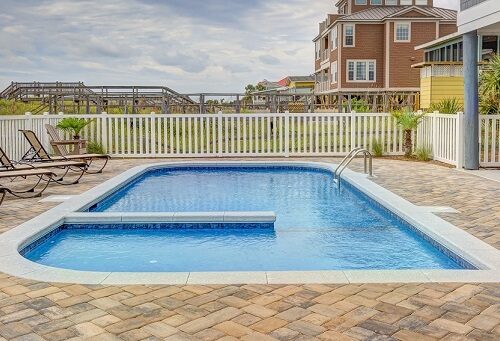
Is it Worth Removing an In Ground Pool?
In-ground pools are a popular feature among homeowners, offering a fun and relaxing place to swim and socialize. However, owning a pool can also come with a number of challenges, including maintenance and upkeep costs, safety concerns, and potential liability issues. For some homeowners, these challenges can outweigh the benefits of having a pool, leading them to consider removing the pool altogether. But is it worth removing an in-ground pool? In this article, we’ll explore some of the pros and cons of removing a pool to help you make an informed decision.

Pros of Removing an In-Ground Pool
Reduced Maintenance and Upkeep Costs
One of the most significant benefits of removing an in-ground pool is the reduced maintenance and upkeep costs. Pools require regular cleaning, chemical treatments, and repairs to keep them functioning properly. These costs can add up over time, especially if the pool is not used frequently or if it is in need of significant repairs or upgrades.
By removing the pool, you can eliminate these ongoing expenses and free up more time and resources to focus on other areas of your home and property.
Improved Safety and Liability Concerns
Another potential benefit of removing an in-ground pool is improved safety and liability concerns. Pools can be a potential safety hazard, particularly for young children and pets who may accidentally fall in or become trapped in the pool area. Additionally, if someone is injured on your property, you could be held liable for their medical expenses and other damages.By removing the pool, you can eliminate these potential safety and liability concerns, making your property safer and reducing the risk of accidents and injuries.
Increased Useable Space
An in-ground pool can take up a significant amount of space in your backyard, limiting your options for other outdoor activities and entertainment. By removing the pool, you can free up this space and use it for other purposes, such as gardening, outdoor living spaces, or a larger lawn area.
Enhanced Property Value
In some cases, removing an in-ground pool can actually enhance the value of your property. If the pool is outdated, in poor condition, or not well-maintained, it could be viewed as a liability by potential buyers. By removing the pool, you can improve the overall look and functionality of your property, making it more appealing to potential buyers and increasing its overall value.
Cons of Removing an In-Ground Pool
1.Cost of Removal
One of the biggest drawbacks of removing an in-ground pool is the cost. Removing a pool is a complex and labor-intensive process that typically involves draining the pool, demolishing the concrete or fiberglass shell, and filling the area with dirt and topsoil.
The cost of pool removal can vary depending on a number of factors, such as the size and type of the pool, the location of the property, and the local labor and material costs. In general, pool removal can cost anywhere from $5,000 to $15,000 or more, depending on these factors.
- Potential Impact on Property Value
While removing an in-ground pool can enhance the value of some properties, it can also have a negative impact on others. If pools are common in your area and considered a desirable feature by potential buyers, removing the pool could actually decrease the value of your property. Additionally, if the pool is in good condition and well-maintained, removing it could be seen as a downgrade by potential buyers, particularly if the space is not used for other outdoor activities or improvements.
- Disruption and Damage to Landscape
Removing an in-ground pool can also cause disruption and damage to your landscape. Heavy machinery and equipment are typically used to remove the pool, which can damage trees, shrubs, and other landscaping features in the area. Additionally, the removal process can leave behind a large hole that may need to be filled in and graded, which can take time and cause additional disruption to your property.
- Loss of Recreational Opportunities
Another potential drawback of removing an in-ground pool is the loss of recreational opportunities. Pools provide a fun and relaxing place to swim, exercise, and socialize, and can be a valuable feature for families with children or for those who enjoy hosting outdoor gatherings. If you remove the pool, you may need to find alternative ways to enjoy these activities, such as visiting a public pool or investing in other outdoor features, such as a hot tub or outdoor kitchen.
- Environmental Impact
Finally, it’s important to consider the environmental impact of removing an in-ground pool. The process of removing the pool can generate a significant amount of waste and debris, which may need to be disposed of in an environmentally responsible manner.
Additionally, if the pool has been treated with chemicals or other materials, there may be potential environmental concerns associated with the removal process, such as the release of hazardous materials into the soil or groundwater.
Removing an in-ground pool can be a significant decision that requires careful consideration of the pros and cons. On the one hand, removing a pool can reduce ongoing maintenance and upkeep costs, improve safety and liability concerns, free up usable outdoor space, and enhance the overall value of your property.
On the other hand, removing a pool can be costly, potentially impact the value of your property, cause disruption and damage to your landscape, result in a loss of recreational opportunities, and have potential environmental impacts.
If you are considering removing an in-ground pool, it’s important to weigh these factors carefully and work with a professional contractor who can help you assess the cost and logistics of the removal process. Additionally, you may want to consider alternative options, such as repurposing the pool space for other outdoor features or updating and renovating the pool to make it more functional and appealing. Ultimately, the decision to remove an in-ground pool will depend on your individual circumstances and goals for your property.