Stay Safe by the Water: Top Pool Safety Guidelines
A swimming pool can be the centerpiece of summer fun, family gatherings, exercise, and relaxation. Whether you have a backyard pool or visit a community aquatic facility, spending time around the water can be enjoyable and refreshing. However, pools also require responsible supervision and thoughtful safety practices. Drowning can happen quickly and quietly, making prevention one of the most important responsibilities for pool owners, parents, caregivers, and swimmers.
Fortunately, many pool-related accidents can be prevented by combining active supervision, appropriate barriers, swimming skills, proper equipment, and clear rules. The following pool safety guidelines can help create a safer environment for everyone.
1. Supervise Children Closely
Active adult supervision is one of the most important pool safety measures. Young children should never be left unattended near a swimming pool, even if they know how to swim.
A responsible adult should remain within arm’s reach of young or inexperienced swimmers whenever possible. Avoid becoming distracted by phones, conversations, reading, or other activities while supervising children. If several adults are present, consider designating a specific person as the “water watcher” so everyone understands who is responsible for monitoring swimmers.
Remember that supervision should continue even when children are playing near the pool rather than directly in the water. A child can enter the water unexpectedly in only a few moments.
2. Install Effective Pool Barriers
A properly designed barrier can provide an important layer of protection by preventing unsupervised access to the pool. Depending on local regulations and the pool’s design, barriers may include fencing, gates, alarms, and other safety features.
Pool gates should remain closed and should be difficult for young children to open. Keep furniture, toys, ladders, and other objects that children could use to climb over a fence away from the barrier.
Doors leading from the house to the pool area should also be monitored carefully. Consider using alarms or other safety devices that can alert you when someone enters the pool area unexpectedly.
3. Teach Children to Swim
Swimming lessons can help children develop important water skills and confidence. However, being able to swim does not mean a child is completely safe in or around water.
Children should learn age-appropriate swimming and water-survival skills from qualified instructors. Lessons can teach skills such as floating, treading water, reaching for the pool edge, and getting out of the water.
Adults should continue supervising children even after they become competent swimmers. Swimming ability can vary depending on fatigue, weather, water conditions, and the circumstances surrounding an emergency.
4. Establish Clear Pool Rules
Simple, consistent rules can reduce risky behavior. Every household or facility should establish expectations for using the pool and make sure children understand them.
Common rules may include:
- No running around the pool.
- No pushing or shoving.
- No diving in shallow water.
- Follow posted depth restrictions.
- Do not swim alone.
- Keep glass containers away from the pool.
- Use approved flotation and safety equipment appropriately.
- Never play breath-holding or prolonged underwater games.
- Follow instructions from lifeguards or supervising adults.
Rules should be reinforced regularly rather than only after someone breaks them.
5. Practice Safe Diving
Diving is one of the activities that requires particular caution. Diving into water that is too shallow can result in serious injuries.
Only dive in areas specifically designed and marked for diving. Swimmers should know the water depth and understand where diving is permitted. Never dive into an unfamiliar body of water because its depth or underwater obstacles may not be obvious.
Children should also be taught that jumping or diving from pool walls, furniture, ladders, or other unsafe locations can create unnecessary risks.
6. Keep Safety Equipment Nearby
Pool safety equipment should be accessible and maintained in good condition. Appropriate equipment may include a reaching pole, rescue device, first-aid supplies, and other items suitable for the pool environment.
Emergency equipment is most useful when people know where it is and how to use it. Pool owners should familiarize themselves with basic water-emergency procedures and ensure that adults who regularly supervise children know what to do in an emergency.
Having a properly stocked first-aid kit nearby can also help address minor injuries without requiring someone to leave the pool area unattended.
7. Learn CPR and Emergency Response
Knowing what to do during a water emergency can make an important difference. Parents, caregivers, pool staff, and other frequent supervisors should consider learning CPR and basic first aid from a recognized training organization.
Keep emergency contact information readily available. Everyone responsible for supervising children should know how to contact emergency services and provide the pool’s location if assistance is needed.
A pool safety plan should not simply assume that someone else will know what to do. Preparation gives people a better chance of responding quickly and appropriately.
8. Maintain the Pool and Its Equipment
Pool maintenance is about more than keeping the water attractive. Properly maintained equipment can contribute to a safer swimming environment.
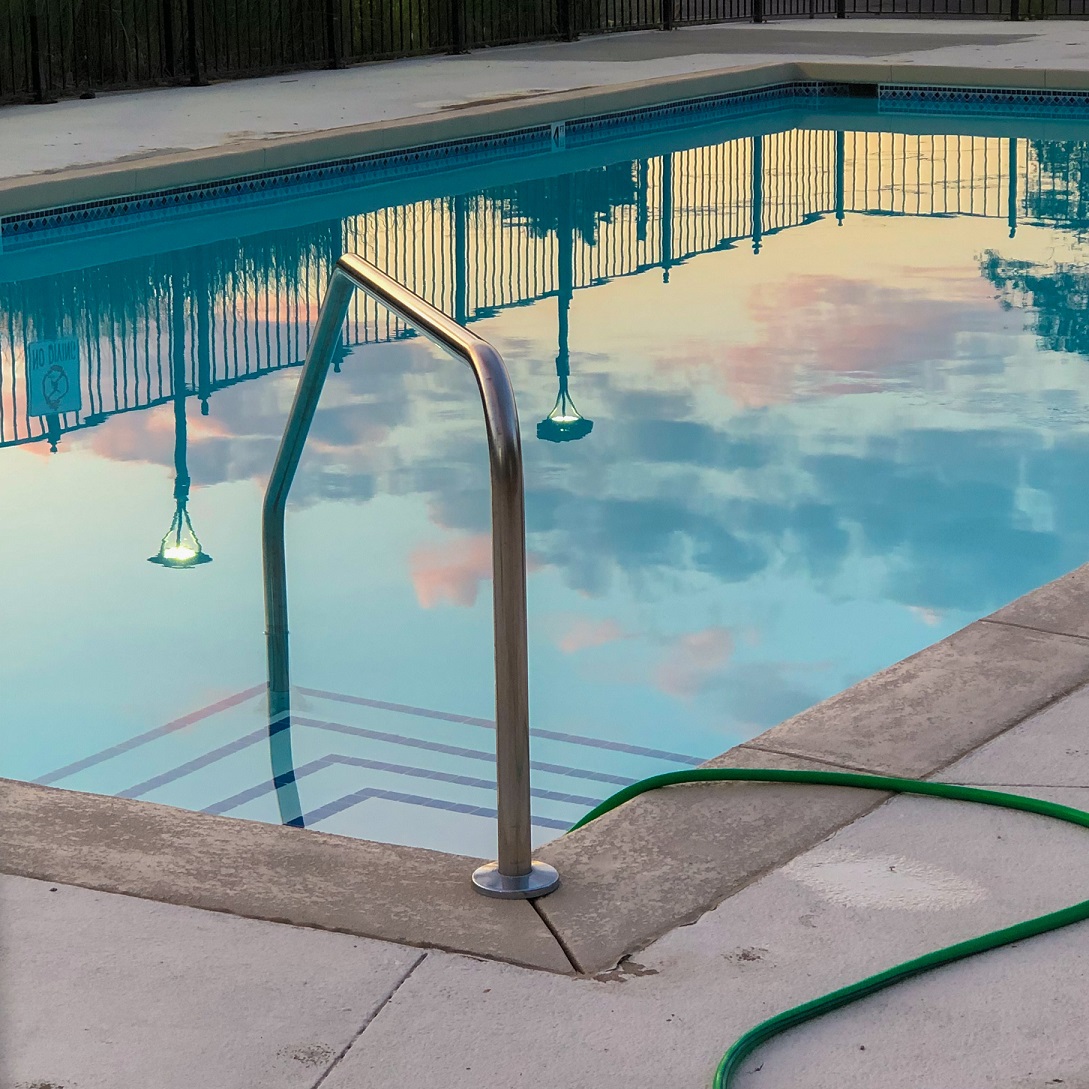
Regularly inspect pumps, filters, drains, ladders, handrails, diving equipment, lighting, fencing, gates, and other components. Address damaged or malfunctioning equipment promptly.
Water chemistry should also be monitored according to the manufacturer’s recommendations and applicable health guidance. Proper chemical balance helps maintain water quality and protects swimmers from problems associated with poorly maintained water.
Keep pool chemicals secured away from children and follow the manufacturer’s instructions for storage, handling, and use.
9. Be Careful Around Pool Drains and Suction Outlets
Pool drains and suction outlets deserve special attention. Swimmers should avoid playing near drain covers, and damaged or missing covers should be addressed immediately.
Never use a pool if a drain cover is broken, loose, or missing. Pool owners should have circulation and suction systems inspected when necessary and make sure safety equipment meets applicable requirements.
Children should also be discouraged from sitting, standing, or playing directly on drains or suction outlets.
10. Avoid Alcohol and Impaired Swimming
Alcohol and swimming can be a dangerous combination because alcohol can affect judgment, balance, coordination, and reaction time. Anyone who has been drinking should stay out of the pool and should not supervise children in or around the water.
The same principle applies to medications or other substances that can cause drowsiness or impair awareness. The person supervising swimmers needs to remain alert and capable of responding immediately if a problem develops.
11. Consider Weather Conditions
Outdoor pool safety also means paying attention to weather. Thunderstorms, lightning, heavy rain, high winds, and other severe conditions can create dangerous circumstances.
When thunderstorms or lightning approach, swimmers should leave the pool and move to an appropriate shelter. Do not assume that a storm is safe simply because rain has stopped. Follow local weather alerts and facility instructions.
Pool owners should also take precautions during extreme heat to protect swimmers from excessive sun exposure and dehydration.
12. Never Rely on Flotation Devices Alone
Flotation devices can provide assistance, but they should never be considered a substitute for supervision or swimming ability. Choose equipment appropriate for the swimmer’s age, size, ability, and intended use.
Parents and caregivers should remain close to children who require flotation assistance. Even when a child is wearing a flotation device, active supervision remains essential.
13. Keep the Pool Area Organized
A clutter-free pool deck can help reduce slips, trips, and falls. Store toys, chairs, cleaning equipment, hoses, and other objects safely when they are not being used.
Choose poolside surfaces and equipment with safety in mind, and clean up standing water when appropriate. Encourage swimmers to walk rather than run around the pool.
Good organization also makes it easier to locate safety equipment quickly during an emergency.
14. Create a Safety-Focused Pool Culture
Ultimately, pool safety is not based on one rule or one piece of equipment. It requires a combination of habits practiced consistently by everyone who uses the pool.
Adults should model safe behavior, children should understand the rules, and guests should be informed about expectations before entering the water. Pool owners can periodically review their safety measures and identify areas that need improvement.
Make Pool Safety a Priority
A swimming pool should be a place where people can relax, exercise, socialize, and have fun. By taking reasonable precautions, pool owners and swimmers can reduce preventable risks and create a safer environment.
Active supervision, secure barriers, swimming education, responsible behavior, maintained equipment, proper water care, and emergency preparedness all play important roles in pool safety. No single measure can eliminate every risk, but several layers of protection can make a meaningful difference.
Whether you are enjoying a quick swim or hosting a large backyard gathering, remember that safety should always come first. A few minutes spent preparing, supervising, and following established pool guidelines can help ensure that time spent by the water remains enjoyable for everyone.
Generated by ChatGPT